Small Town, Big Scares: How Being Haunted Became a Business Model
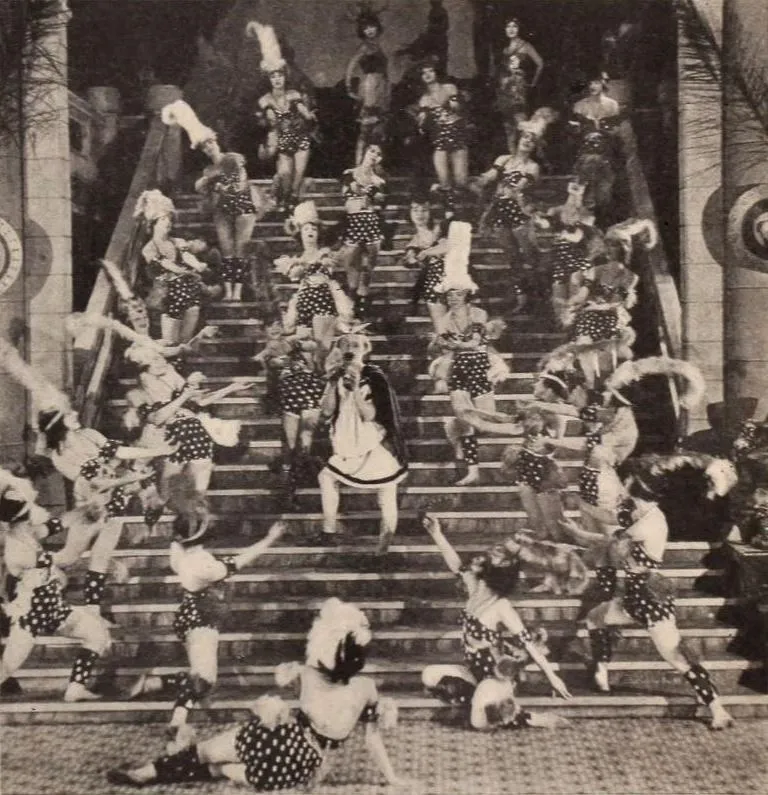
Photo: Associated First National, Public domain, via Wikimedia Commons
Every October, the water tower in certain small American towns gets a fresh coat of paint and a new ghost. The diner adds a ' ectoplasm burger' to the menu. The bed-and-breakfast rebrands as a haunt. None of this is because anything actually spooky happened there — it's because a movie did.
The phenomenon is old enough now to have its own history. When The Blair Witch Project turned a real Maryland town into a fictional legend in 1999, the tourism board didn't fight the misinformation; they leaned into it. Burkittsville's population sits around a couple hundred people, and for years after the film, the town was pulling thousands of visitors a season — people hunting a witch that a marketing department invented. Similar stories followed in the wake of Psycho (the Bates house still stands on the Universal backlot tour, and the real inspiration town still gets asked about it), the Friday the 13th craze around Hardwick Township, New Jersey, and the slow-burn pilgrimage economy that Twin Peaks built in North Bend, Washington, ghost-adjacent or not.
The Haunted Dollar
Here's the part that surprises people: this is serious money. Heritage tourism analysts have long noted that 'dark tourism' — travel built around death, tragedy, and the supernatural — is one of the most resilient niches in the American travel economy. Ghost tours in cities like Savannah, New Orleans, and St. Augustine are established industries with licensing, insurance, and seasonal staffing. When a film plants a haunting in a town that didn't previously have one, it effectively hands that town a turnkey tourism product.
The playbook is remarkably consistent. Step one: a landmark gets renamed or at least re-annotated. Step two: an annual festival appears, usually in October, usually involving a costume walk. Step three: the local historical society, which spent decades begging for attention, suddenly has a line out the door. Step four: someone opens a themed ice cream shop, and you know a town has committed when the soft-serve is named after a fictional murder.
When the Ghost Leaves Town
But there's a cautionary chapter, too. Fictional fame is a lease, not a deed. Towns that treated a movie anniversary as a one-time windfall watched the buses stop coming. The ones that survived — places like Burkittsville, which eventually embraced a quieter, heritage-focused version of its fame — figured out that the movie is the hook, but the storytelling is the product. Visitors don't come for a filming location; they come to participate in a legend. Towns that keep the legend alive with events, oral history, and good old-fashioned local color keep the traffic.
There's also a genuine tension worth naming. Some residents of these towns have spent decades politely explaining that the horror attached to their hometown is fictional, sometimes uncomfortably so. When a movie borrows your address and adds a demon, you live with the consequences whether you like it or not. The healthiest haunted towns are the ones where the film's fiction and the town's actual history are kept clearly labeled — the ghost tour as theater, not obituary.
Why It Matters for the Genre
For filmmakers, all of this is a reminder that a ghost movie doesn't end at the credits. A film that shoots on location in a real American town, that gives that town a memorable haunt and a name audiences can Google, is potentially seeding a fifty-year economic relationship. The great ghost films of American cinema — the ones that made a specific house, street, or town feel cursed — didn't just scare people. They created destinations.
So the next time a horror production rolls into a small town with a permit and a fog machine, watch what happens afterward. Somewhere in America, a hardware store is about to start selling branded EMF readers. The ghost, as ever, is good for business.