Haunted by the Bill: How Ghost Movies Became America's Sharpest Class Critique
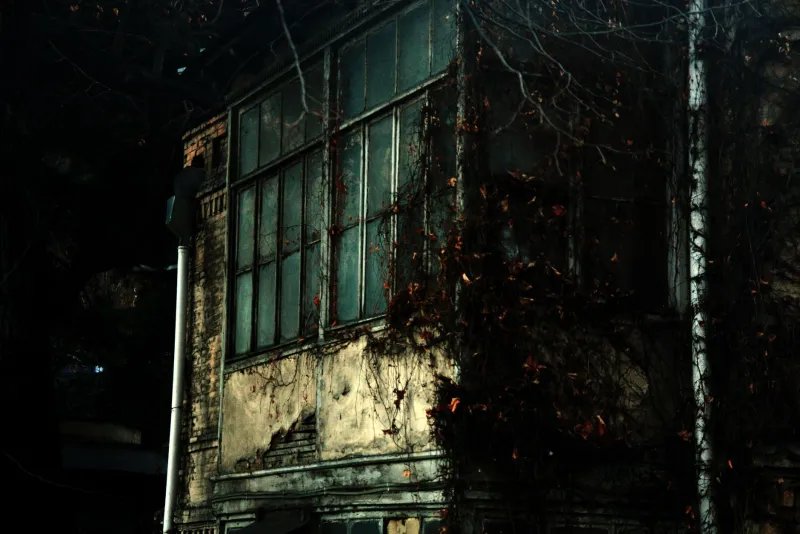
There's a moment in a certain kind of ghost movie where you stop asking what is haunting the characters and start asking why. Not in a lore-building, mythology-expanding way. More like: why does this particular house feel so suffocating? Why does this family seem trapped before the first specter even shows up? Why does the horror feel less like a supernatural invasion and more like an eviction notice delivered by something with no face?
That question — the why underneath the scream — is where modern horror has quietly become one of the most politically charged genres in American cinema. Ghost movies, in particular, have spent the last decade or so doing something sneaky and genuinely fascinating: they've turned economic anxiety into ectoplasm.
The Haunted House Was Never Just a House
Let's start with the obvious. The haunted house has always carried symbolic weight. It's a space loaded with memory, obligation, and the suffocating presence of the past. But for a long time, horror leaned into the gothic romanticism of that — crumbling estates, old money, aristocratic decay. The horror was atmospheric. Spooky, sure, but safely distanced from anything resembling your actual zip code.
That changed. Somewhere around the post-2008 financial collapse era, haunted houses started looking a lot more like the houses people were actually losing. Foreclosure signs replaced iron gates. The family struggling to hold onto a property wasn't aristocratic — they were just broke, underwater on a mortgage they barely understood when they signed it, inheriting a debt that came with the deed. The ghost didn't just haunt the hallways. It haunted the paperwork.
Films like Hereditary, His House, and The Witch — each wildly different in tone and setting — share a common DNA: the family unit is already fractured by material circumstance before anything supernatural arrives. The horror doesn't create the crisis. It reveals it.
Debt as Demon
One of the most consistent metaphors in this new wave of socially conscious horror is debt — specifically, the kind that gets passed down. Generational debt. The idea that you can inherit not just a house or a name, but a financial wound that was opened before you were born and never properly closed.
Think about how many ghost stories hinge on a secret the previous generation kept. A deal made in desperation. A sacrifice that was never really voluntary. A property whose value came at someone else's catastrophic expense. Strip away the supernatural framing and you've got a pretty accurate description of how wealth — and the lack of it — actually moves through American families.
The ghost, in this reading, isn't just a dead person. It's compounding interest. It's the thing your parents couldn't tell you about because they were too ashamed, or too scared, or too busy trying to keep the lights on. It shows up anyway. It always shows up.
Abandoned Spaces and Who Gets Left Behind
Beyond the family home, modern ghost films have started haunting a different kind of space: the abandoned workplace. The shuttered factory. The emptied-out office building where something terrible happened to people who were never properly compensated for it.
This is horror doing something genuinely subversive. When a film sets its supernatural terror in a place that used to employ an entire community — and frames the haunting as the unresolved rage of workers who were discarded — it's not being subtle. It's pointing a finger. The monsters in these stories aren't random. They're specific. They died because someone in a better suit decided their lives were an acceptable line item.
American audiences have responded to this. Maybe because it mirrors something real. Entire towns gutted by plant closures. Rust Belt cities that feel, in a very literal sense, haunted by what they used to be. When horror sets up shop in those spaces, it doesn't feel exploitative. It feels like acknowledgment.
The American Dream's Haunted Underbelly
Here's the thing about the American Dream that ghost movies understand better than most political commentary: it was always a promise made to some people at the direct expense of others. The dream has a shadow. Horror has always lived in shadows.
Films that engage with this don't always wave a banner about it. They're often subtle — a detail here, a piece of backstory there. Who owned this land before? How did this family actually build their wealth? What happened to the people who built it for them and got nothing in return? These questions, embedded in the architecture of a haunting, carry a weight that a straightforward drama might struggle to land.
The genius of the ghost as metaphor is that it externalizes something we usually keep internal. The guilt, the complicity, the uncomfortable knowledge that the life you're living was built on a foundation you didn't pour and wouldn't have chosen if you'd known the full story. The ghost makes you look at it. It won't let you look away.
Why Audiences Keep Showing Up
You could argue that horror has always been a pressure valve — a safe space to feel unsafe, to confront fears in a context that's ultimately fictional. But there's something more specific happening with this strain of economically minded ghost cinema. People aren't just showing up to be scared. They're showing up to feel seen.
When you're working two jobs to cover rent on a place that still somehow feels like it's slipping away from you, a movie about a family being destroyed by a house they can't afford to leave hits different. The ghost isn't an abstraction. It's recognizable. And there's a particular, complicated relief in watching a film that acknowledges the thing everyone around you is pretending isn't happening.
The real monsters wear business suits. They show up in the fine print. They don't rattle chains — they send certified mail. And increasingly, the best horror filmmakers in America know that. They're building their hauntings around that knowledge, and the result is some of the most resonant, genuinely unsettling cinema the genre has produced in decades.
The Dead Don't Just Want Justice. They Want You to Admit What Happened.
That's ultimately what distinguishes this kind of ghost story from its predecessors. The haunting isn't resolved by a priest or a paranormal investigator or a clever protagonist who figures out the rules. It's resolved — when it's resolved at all — by acknowledgment. By someone finally saying: yes, this happened. Yes, it was wrong. Yes, we knew.
Or it isn't resolved. Because sometimes the debt is too big. Sometimes the house wins. Sometimes the ghost gets exactly what it came for, and the audience walks out into the parking lot feeling the particular chill of a story that didn't bother to comfort them.
That's not a flaw. That's the point. The dead are coming. And some of what they're owed, we still haven't paid.