Haunted by the Feed: Why Your Streaming Algorithm Keeps Serving You Ghost Stories
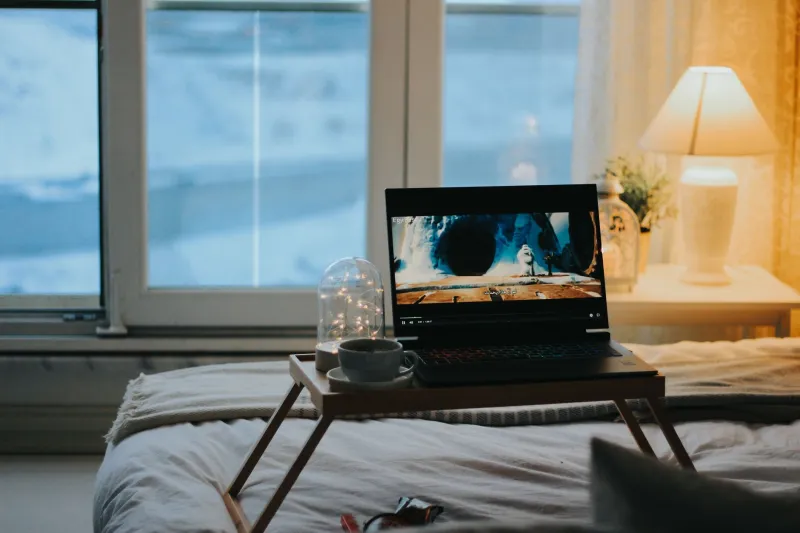
You didn't go looking for it. You finished a true-crime documentary, maybe clicked on a thriller about a missing kid, and then — almost without noticing — your entire recommended row transformed into something else entirely. Flickering candles. Pale figures in doorways. Titles with the word haunting in them. Sound familiar?
Welcome to the ghost loop. It's not a glitch. It's not fate. It's math. But the way it works is strange enough that you'd be forgiven for wondering whether something a little more supernatural is going on behind the screen.
The Machine Learns What Scares You
Every time you pause a scene, rewind a jump scare, or linger on a thumbnail longer than three seconds, you're feeding data into a system that's quietly building a psychological portrait of you. Streaming platforms like Netflix, Max, and Hulu don't just track what you watch — they track how you watch it.
Content strategists who work adjacent to these platforms (most of whom won't go on record by name, because these companies guard their recommendation logic like state secrets) describe supernatural content as uniquely "sticky." Ghost stories, they say, generate what the industry calls high-engagement anomalies — moments where viewers freeze, rewatch, or abandon and return. That behavioral fingerprint is gold to an algorithm trying to figure out what keeps you on the platform.
"Horror in general performs well in recommendation systems because it produces extreme emotional responses," one data consultant who works with mid-tier streaming services explained. "But ghost content specifically has this quality where people feel compelled to finish it even when they're uncomfortable. The algorithm reads that compulsion as a strong preference signal."
In other words: the fact that you watched The Haunting of Hill House through your fingers, heart pounding, told the machine you loved it. And it's been feeding you variations ever since.
Why Ghosts Specifically?
Not all horror performs the same way in recommendation ecosystems. Slasher content tends to attract younger male viewers and burns out fast — people watch one or two and feel satisfied. Psychological horror has a cult following but limited crossover appeal. Ghost stories, though, cut across demographics in a way that's almost unsettling to look at on a spreadsheet.
Think about who watches ghost movies in America. It's not just teenagers daring each other on a Friday night. It's middle-aged women who binged The Others during a pandemic afternoon. It's college guys who got obsessed with Sinister and then fell down a YouTube rabbit hole of paranormal investigations. It's grandparents who remember being terrified by Poltergeist and still click on anything that gives off that same energy.
Ghost stories carry emotional weight that transcends pure fright. They're about grief, unfinished business, the people we've lost. Algorithms don't know that, exactly — but they know that users across wildly different demographic buckets keep clicking on the same category of content. And so they keep surfacing it.
The Social Media Side of the Haunting
Streaming isn't the only place this is happening. TikTok's For You Page has become a particularly fertile breeding ground for supernatural content cycles. A ghost hunting video goes viral, the algorithm notes engagement, and suddenly every third video in your feed involves someone pointing a flashlight at a dark hallway.
The mechanics are slightly different on social platforms because the content is user-generated and the feedback loop is faster. When a creator posts a paranormal experience clip — real, staged, or somewhere in between — and it performs well, TikTok's system doesn't just recommend more content from that creator. It starts serving you similar creators, similar aesthetics, similar emotional beats. Before long, you're three hours deep into a community you didn't know existed, watching strangers document alleged hauntings in rural Ohio farmhouses.
Instagram and YouTube operate on comparable logic. The supernatural niche has become one of the most algorithmically self-sustaining communities on the internet, in part because its creators are extraordinarily good at producing content that triggers the specific engagement signals these platforms reward: long watch times, comment debates, saves, and shares driven by the "you have to see this" impulse.
"Ghost content is almost perfectly engineered for social algorithms, even when that engineering is completely accidental," said one digital media analyst who studies niche content ecosystems. "The uncertainty built into the genre — is this real? is that a shadow or something else? — keeps people engaged in a way that resolved content doesn't."
Are Platforms Creating Our Fears, or Reflecting Them?
Here's where it gets genuinely interesting, and a little unsettling. There's a chicken-and-egg problem buried in all of this data.
Algorithms are designed to surface content users already want. But when a platform aggressively recommends a genre to millions of people simultaneously, it doesn't just reflect existing taste — it shapes it. If Netflix decides, based on early engagement data, that ghost content deserves premium real estate on its homepage, and then millions of users click on it because it's prominently placed, and then the algorithm reads those clicks as organic demand... did users choose ghost stories, or were they nudged into choosing them?
Content strategists call this "preference amplification," and it's not unique to horror. But supernatural content seems particularly susceptible to it, because the genre is broad enough to capture almost anyone and specific enough to feel personal. When your queue serves you a ghost movie that happens to be set in a house that looks like your childhood home, or involves a storyline about losing a parent, the recommendation doesn't feel algorithmic. It feels like something knew.
That feeling is, arguably, the algorithm working exactly as intended.
What This Means for Ghost Cinema's Future
For filmmakers and studios working in the supernatural space, the algorithmic moment we're in is genuinely exciting. Ghost stories have always had an audience, but they've rarely had this kind of structural tailwind pushing them toward viewers who might not have sought them out independently.
That's good news for projects like Ghostheads — films built around the idea that the dead have something to say and that audiences are ready to listen. When a platform's recommendation engine has already primed a viewer with three ghost documentaries, two haunted-house series, and a dozen TikToks about real-life paranormal encounters, they're not just open to a supernatural film. They're hungry for one.
The algorithm didn't create our fascination with ghosts. That goes back further than any of us can measure — to campfire stories, to folklore, to the very human need to believe that something persists after we're gone. But the algorithm found that fascination, recognized it, and has been quietly, relentlessly feeding it ever since.
The dead were always coming. The platforms just made sure you'd be watching when they arrived.